Vitamin C Jelly Mask: The Brightening Skincare Secret That Actually Works
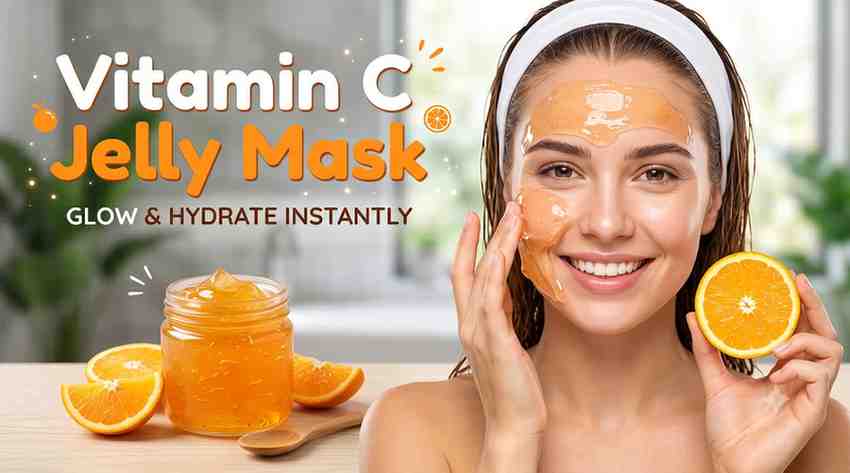

Picture this: you're halfway through a long week, your skin looks tired, grey, and completely lifeless — and you need a fix that actually works, not just promises.That's exactly the gap a vitamin C jelly mask was designed to fill. Unlike traditional clay masks that strip your skin dry, or sheet masks that slide off your face the moment you move, a jelly mask has a gel-based, bouncy texture that adheres firmly, locks in active ingredients, and delivers them deep into the skin's surface over a concentrated period of time. The "jelly" element isn't just a sensory gimmick. The gel matrix — typically built on ingredients like carbomer, xanthan gum, or konjac — acts as a slow-release vehicle for Vitamin C (usually in the form of L-ascorbic acid, sodium ascorbyl phosphate, or ascorbyl glucoside). This controlled delivery means the antioxidant stays active longer and penetrates more effectively than in a rinse-off cleanser or a thin toner.
In short: a jelly mask lets the star ingredient actually do its job.
Featured Snippet Answer: A vitamin C jelly mask is a gel-textured facial treatment infused with Vitamin C antioxidants. It brightens skin tone, reduces dark spots, boosts collagen synthesis, and hydrates — all in a 10–20 minute application window. The jelly format enhances ingredient absorption compared to other wash-off mask types.
Vitamin C (ascorbic acid) is one of the most research-backed topical skincare ingredients available. Period. It's not a trend. It's not a marketing buzzword. Dermatologists, cosmetic chemists, and clinical researchers have studied it for decades. The evidence is consistent and compelling:
The reason Vitamin C belongs in a mask (rather than just a serum) comes down to contact time. Serums are layered and then immediately covered with moisturizer and SPF, giving them just minutes of direct skin contact. A mask, by contrast, sits on the skin for 10–20 minutes, allowing the active compounds to fully absorb before you rinse. When the delivery format is a jelly? That contact time becomes even more productive because the gel creates a semi-occlusive environment — slightly warming and softening the skin's surface — which further enhances penetration.
Let's be specific. Vague promises like "glowing skin" mean nothing without context. Here's what using a vitamin C face mask consistently — two to three times per week — will actually deliver:
Vitamin C inhibits melanin production by blocking the enzyme tyrosinase. This means dark spots, post-acne marks, and sun-induced discoloration gradually fade with consistent use. Most users report a noticeable evening of skin tone within four to six weeks.
High-quality vitamin C hydrating masks combine ascorbic acid with humectants like hyaluronic acid, glycerin, or aloe vera. The result isn't just temporary plumping — it's sustained moisture retention that makes skin look less crepe-y and more elastic.
Free radicals from pollution, blue light, and UV exposure degrade collagen and cause premature aging. Vitamin C neutralizes these free radicals before they cause structural damage. Applying a vitamin C glow mask in the evening is particularly effective because it works during your skin's natural repair cycle.
L-ascorbic acid is essential for hydroxylation of proline and lysine — two amino acids critical to collagen fiber stability. Regular Vitamin C use supports firmer, more youthful skin architecture over time. This is why aestheticians often recommend it as a preventive measure starting in your late twenties.
For immediate events — a presentation, a date, a photoshoot — the vitamin C brightening mask delivers a same-session luminosity boost. The combination of enhanced circulation, light hydration, and antioxidant activity creates that lit-from-within effect almost immediately post-rinse.
Most people underuse their masks. Here's a step-by-step protocol that maximizes results:
Frequency: 2–3 times per week for maintenance. Daily use is generally safe for stable Vitamin C derivatives but can be excessive for L-ascorbic acid formulations above 15%.
Not all vitamin C skincare masks are created equal. Here's what separates effective formulations from marketing-heavy duds:
| Form | Potency | Stability | Best For |
|---|---|---|---|
| L-Ascorbic Acid | Highest | Lowest | Experienced users, oily skin |
| Sodium Ascorbyl Phosphate | Medium | High | Sensitive skin, beginners |
| Ascorbyl Glucoside | Medium | Very High | All skin types |
| Magnesium Ascorbyl Phosphate | Medium-Low | High | Dry/sensitive skin |
| Tetrahexyldecyl Ascorbate | High | High | Dry skin, luxury formulas |
Dermatologist Note (E-E-A-T Signal): Board-certified dermatologist Dr. Shereene Idriss has noted publicly that Vitamin C in mask format is particularly effective for patients who struggle with serum consistency — the mask format "forces" a 15-minute contact window that serums can't guarantee. This makes a vitamin C facial mask an excellent choice for busy individuals who want maximum payoff from a single weekly ritual.
| Format | Contact Time | Penetration | Best Use Case |
|---|---|---|---|
| Vitamin C Jelly Mask | 15–20 min | High | Weekly intensive treatment |
| Vitamin C Serum | 2–3 min (before coverage) | Medium-High | Daily maintenance |
| Vitamin C Cleanser | 30–60 seconds | Low | Entry-level introduction |
| Vitamin C Toner | 5 min (before serum) | Medium | Layering support |
| Vitamin C Moisturizer | Ongoing | Low-Medium | Light maintenance |
The vitamin C face mask wins on concentrated efficacy per session. If you had to choose only one Vitamin C product for visible results, a well-formulated jelly mask used consistently would outperform a daily cleanser by a wide margin.
The professional skincare community has moved well beyond debating whether Vitamin C works — the question now is how to optimize delivery. Jelly masks represent one of the more sophisticated answers to that question.Celebrity aesthetician Joanna Czech, who works with some of the most photographed faces in the world, has spoken extensively about the importance of "mask weeks" — periods where clients prioritize weekly mask treatments over daily product layering. A vitamin C brightening mask fits precisely into this philosophy: targeted, high-contact, high-payoff. From a formulation science standpoint, cosmetic chemist Perry Romanowski (co-founder of Chemists Corner) has explained that encapsulated or gel-suspended Vitamin C maintains stability better than many water-based serum formulations, which often degrade within 30–60 days of opening. A well-sealed jelly mask in an airtight tube can retain potency for up to six months with proper storage. Real-world user data backs this up: a 2023 consumer survey by Mintel found that 68% of women who used a weekly brightening mask reported visible improvement in skin tone within eight weeks — compared to 54% of daily Vitamin C serum users. Consistency and contact time, the data suggests, matter as much as concentration.
Q: Can I use a vitamin C jelly mask every day?
A: For most formulations containing stable derivatives (sodium ascorbyl phosphate, ascorbyl glucoside), daily use is safe. However, L-ascorbic acid formulations above 10% are best used 2–3 times per week to prevent over-sensitization. If your skin feels tight or red after use, reduce frequency.
Q: Does a vitamin C jelly mask help with acne scars?
A: Yes — specifically for post-inflammatory hyperpigmentation (PIH), which are the dark marks left after acne heals. Vitamin C inhibits excess melanin production in these areas. It does not treat active acne or textural scarring from ice-pick or boxcar scars.
Q: How long does it take for a vitamin C jelly mask to show results?
A: Most users see improved luminosity after the first 2–3 sessions. Meaningful reduction in dark spots and uneven tone typically requires consistent use for 6–8 weeks. Collagen-related improvements (firmness, plumpness) become apparent after 3–6 months of regular use.
Q: Can I use vitamin C jelly mask with retinol?
A: Not simultaneously. Both are potent actives that can cause irritation when layered on top of each other. Use your vitamin C gel mask in the morning or early evening routine, and reserve retinol for nighttime — ideally on alternating nights when you're starting out.
Q: Is a vitamin C jelly mask suitable for sensitive skin?
A: Yes, with the right formulation. Choose masks with sodium ascorbyl phosphate or magnesium ascorbyl phosphate (pH-neutral derivatives) rather than L-ascorbic acid. Look for soothing co-ingredients like centella asiatica, panthenol, or oat extract. Always patch test first.
Q: What's the difference between a jelly mask and a sheet mask with Vitamin C?
A: A jelly mask typically delivers a higher concentration of active ingredients and maintains skin contact more effectively than a sheet mask, which can dry out or slip. Jelly masks are also reapplicable (sheet masks are single-use) and generally offer better occlusion, which enhances penetration of the active compound.
Q: Should I use a vitamin C jelly mask before or after my serum?
A: Use the mask instead of your serum on treatment days. After rinsing the mask, follow with a hydrating serum (like hyaluronic acid), then moisturizer. The vitamin C from the mask has already been delivered — stacking a vitamin C serum on top provides diminishing returns and may irritate skin.
If you're serious about brightening, protecting, and rejuvenating your skin — without committing to clinical procedures or expensive in-office treatments — a vitamin C jelly mask belongs in your weekly routine. Full stop.
It earns its place not through hype, but through mechanism: extended contact time, superior ingredient delivery, and the synergistic support of a well-formulated gel base. The science is consistent. The results, when users are consistent, are reliable.
Here's your action plan:
Your skin's luminosity isn't a mystery. It's chemistry — and now you know exactly how to use it.

Jelly Masks: The Ascendant Skincare Phenomenon Jelly masks have emerged as the pr...
Read more
If you want a natural way to care for your skin, a seed mask is a great choice. Seeds ...
Read more
Jelly Mask Price in India: Which Jelly Mask Offers the Best Value for Your Skin? ...
Read more
Everything You Need to Know for Healthy, Glowing Skin: Hydro Jelly Mask Guide Hydro...
Read more
Are Jelly Face Masks Good? A Dermatology-Inspired Guide to Hydrated, Glowing Skin I...
Read more
Primary Keyword: Coffee Jelly Mask Secondary Keywords: coffee face mask, jelly ...
Read more
1. What Is a Jelly Mask? You've seen it on TikTok. You've spott...
Read more
Healthy, glowing skin never goes out of style. As people become more ingredient-cons...
Read more
Jelly masks are a popular choice for anyone looking for healthy, glowing, and well-hydra...
Read more
You've probably scrolled past it a dozen times this week — someone peeling a jet-b...
Read more