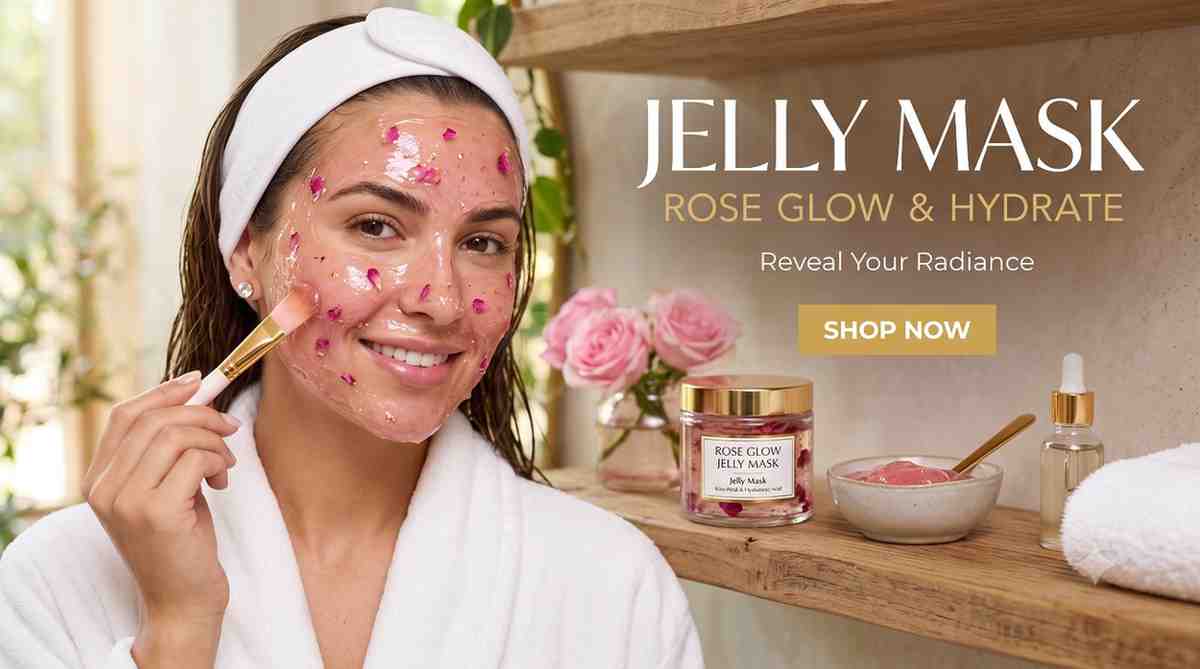
1. What Is a Jelly Mask?
You've seen it on TikTok. You've spotted it on skincare shelves. And maybe you've wondered — is a jelly mask actually worth the hype, or is it just another passing trend?
Here's the thing: this isn't a trend. It's a skincare evolution.
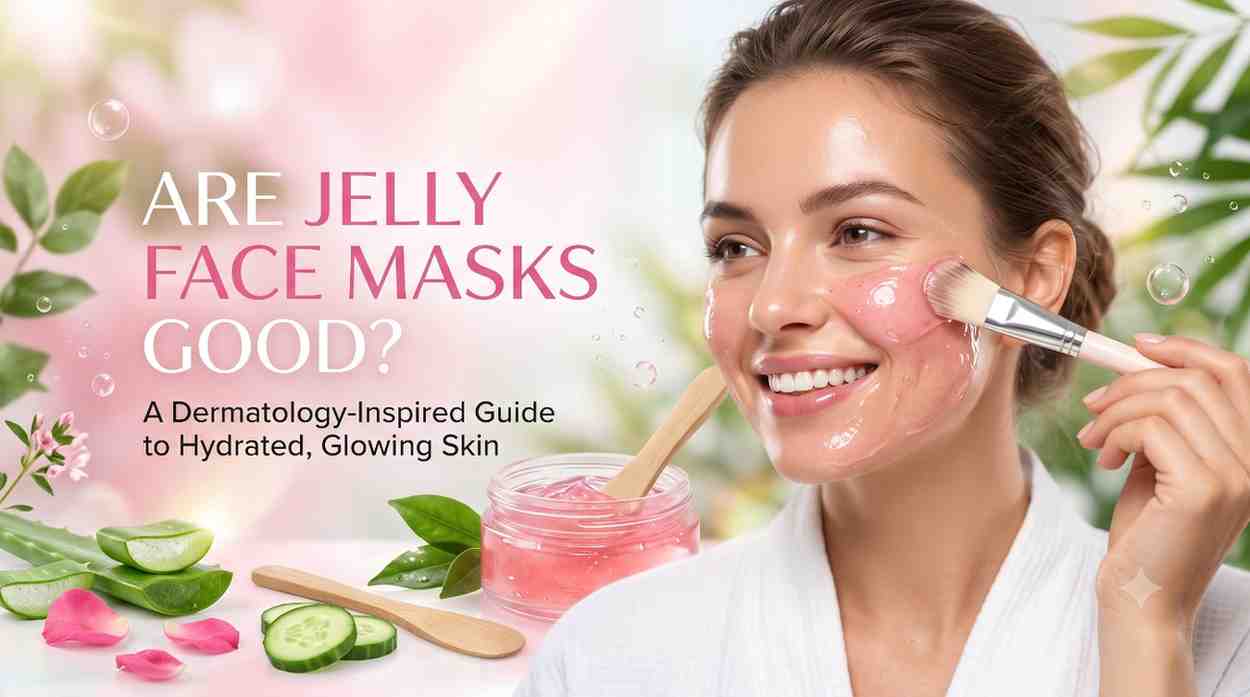
A jelly mask is a gel-textured facial treatment that sits somewhere between a sheet mask and a thick overnight cream. It typically comes in a jar or tube, and when applied to the skin, it transforms into a cool, wobbly, almost soothing gel layer that locks in moisture, delivers active ingredients, and — if you choose the right formula — can completely change how your skin looks and feels overnight. The texture alone makes it addictive. But the science behind it? That's what makes it genuinely effective. Unlike traditional clay masks that suck out moisture (sometimes a little too aggressively), jelly masks are formulated to add hydration back. They're inspired largely by Korean face mask culture — a skincare philosophy built on layering, gentle formulas, and achieving that coveted glass skin effect.
What makes a jelly mask different from a regular moisturizer or serum is its unique delivery system. The gel matrix holds water-binding ingredients in place against your skin for longer, giving them more time to penetrate deeper into the epidermis. Think of it like a sponge soaked in everything your skin craves.
Quick Summary: A jelly mask is a gel-based facial treatment designed to deliver intense hydration and active skincare ingredients through a cooling, wobbly texture. It sits on the skin for 10–30 minutes (or overnight) and is especially effective for dry, dull, and dehydrated complexions.
2. How Does a Jelly Mask Work on Your Skin?
To understand why jelly masks work so well, you need to understand one simple concept: occlusion.
When you apply a thick gel layer to your skin, it creates a semi-occlusive barrier. This barrier does two powerful things simultaneously:
- Locks in moisture already present in your skin
- Drives active ingredients deeper into the skin's surface layers
Most jelly masks are formulated with humectants — ingredients like hyaluronic acid, glycerin, and aloe vera — that attract water molecules from the environment and from deeper skin layers, pulling them toward the surface. The gel texture then traps all of that moisture, essentially creating a hydration reservoir on top of your face.
What this means practically: you apply it, leave it on, and while you're relaxing (or sleeping), your skin is doing the hard work of repairing its moisture barrier, plumping up fine lines, and evening out tone.
This is why the hydrojelly mask has become a cult favourite among facialists. In professional settings, facialists mix powder and liquid to create a custom rubber-like mask that peels off cleanly — sealing in serums, reducing redness, and leaving skin visibly luminous. Home versions replicate this experience in a much more accessible format.
3. Key Benefits of Using a Jelly Mask
Let's be specific. Here's what consistent jelly mask use can actually do for your skin:
Intense, Lasting Hydration
The number-one reason people reach for a jelly mask. Because of the occlusive gel base, moisture doesn't evaporate during treatment. Studies show that humectant-rich formulas can increase skin hydration levels by up to 40% after a single application — and results can last 24–48 hours.
Visible Brightening and Glow
Many jelly masks contain brightening actives like vitamin C, niacinamide, or pearl extract. These ingredients work synergistically with the hydration to even out skin tone, reduce dullness, and create that lit-from-within glow. Think of it as your skin taking a tall glass of water — instantly it looks more alive.
Reduced Puffiness and Redness
The cooling sensation of a chilled jelly mask is genuinely therapeutic. Applied cold, a face gel mask can calm inflammation, reduce morning puffiness, and soothe reactive or sensitive skin. It's a go-to for dermatologists treating rosacea-prone or post-procedure skin.
Anti-Aging Support
Plump skin simply looks younger. When skin cells are well-hydrated, fine lines and wrinkles appear less pronounced. Over time, consistent use of a hydrating jelly mask can contribute to improved skin elasticity and a reduction in visible signs of dehydration-related aging.
No Downtime, Zero Irritation
Unlike chemical peels or retinoid treatments, a jelly mask has essentially no downtime. Most formulas are gentle enough for daily use, though most skin experts recommend 2–3 times per week.
A Truly Sensory Experience
This one matters more than people admit. Skincare you enjoy is skincare you'll stick with. The texture of a jelly mask — cool, smooth, slightly bouncy — is genuinely pleasurable, making it easier to build a consistent routine.
4. Types of Jelly Masks You Should Know About
Not all jelly masks are created equal. Here's a breakdown of the main categories:
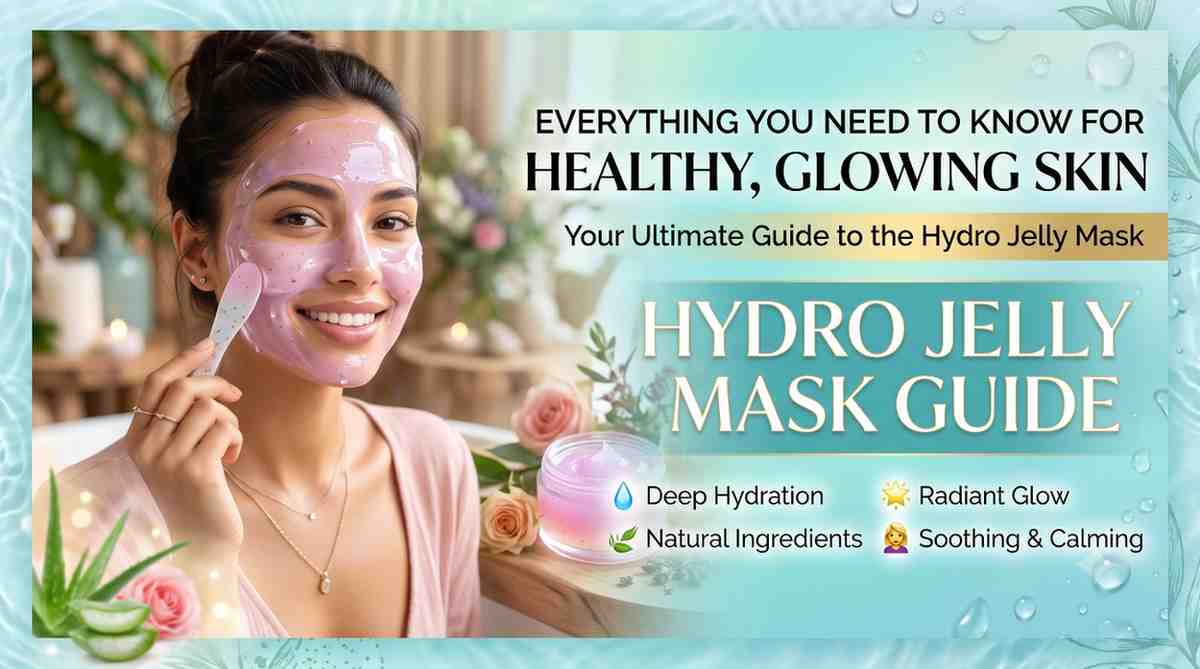
Hydrojelly Mask (Professional & At-Home)
The hydrojelly mask is arguably the most popular type. Originally developed for use in professional facials, these formulas mix into a rubber-like consistency that peels off in one satisfying sheet. At-home kits now make this accessible. The peel-off nature means no residue, no mess — just incredibly soft, plump skin underneath.
Peel-Off Jelly Mask
The peel off mask variant is designed for both satisfying removal and deep ingredient delivery. Unlike clay-based peel-offs (which can strip the skin), jelly-based peel-offs leave a moisturising film that feeds the skin as it dries.
Algae Mask (Marine-Powered Hydration)
The algae mask is a hero category in the jelly mask world. Marine algae (including spirulina, chlorella, and seaweed) are powerhouse ingredients packed with minerals, amino acids, and antioxidants. They naturally form gel textures and have been used in luxury skincare for decades. An algae mask is particularly beneficial for mature, dull, or environmentally stressed skin.
Sleeping Jelly Mask (Overnight Treatment)
Applied as the last step in a PM routine, sleeping jelly masks work their magic while you rest. Korean beauty brands pioneered this format — the Korean face mask sleeping pack tradition is legendary — and it remains one of the most effective ways to deeply restore skin overnight.
Niacinamide Jelly Mask (Brightening + Pore-Minimising)
The niacinamide mask is a targeted treatment that combines the hydration of a jelly base with the tone-correcting power of niacinamide (vitamin B3). Niacinamide reduces hyperpigmentation, minimises pore appearance, and regulates sebum — making these masks ideal for oily and combination skin types.
Glow Mask (Pre-Event Treatment)
The glow mask category is all about immediate, visible radiance. These formulas typically include illuminating actives — vitamin C, licorice root, galactomyces — alongside heavy-duty humectants to create a lit, glass-skin effect within 15–20 minutes. Perfect before a big event or photo shoot.
5. Best Ingredients to Look for in a Jelly Mask
When choosing a facial mask, the ingredient list tells you everything. Here's what to look for — and what each does:
| Ingredient | Benefit | Best For |
|---|---|---|
| Hyaluronic Acid | Binds up to 1000x its weight in water | All skin types |
| Niacinamide (B3) | Brightens, reduces pores, controls oil | Oily / combo skin |
| Aloe Vera | Soothes, calms inflammation | Sensitive skin |
| Marine Algae / Seaweed | Mineralises, firms, antioxidant-rich | Mature / dull skin |
| Glycerin | Humectant, pulls moisture to skin | Dry / dehydrated skin |
| Centella Asiatica | Heals, strengthens barrier | Damaged / acne-prone skin |
| Vitamin C | Brightens, protects from oxidative stress | Dull / hyperpigmented skin |
| Peptides | Signals collagen production | Aging / fine line concerns |
| Ceramides | Repairs and reinforces skin barrier | Dry / sensitive skin |
| Collagen | Plumps, improves texture | All skin types |
What to avoid: Alcohol (denat.), artificial fragrances, and sulphates — these can disrupt the moisture barrier, the exact opposite of what a hydrating mask is designed to do.
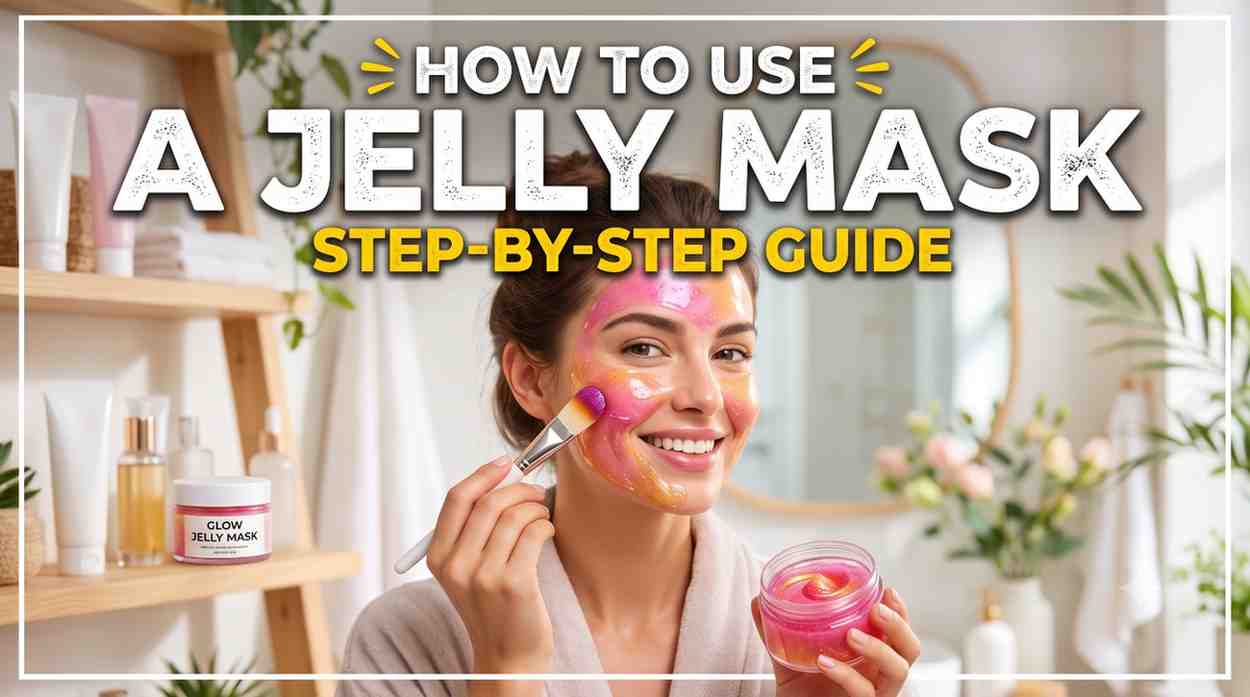
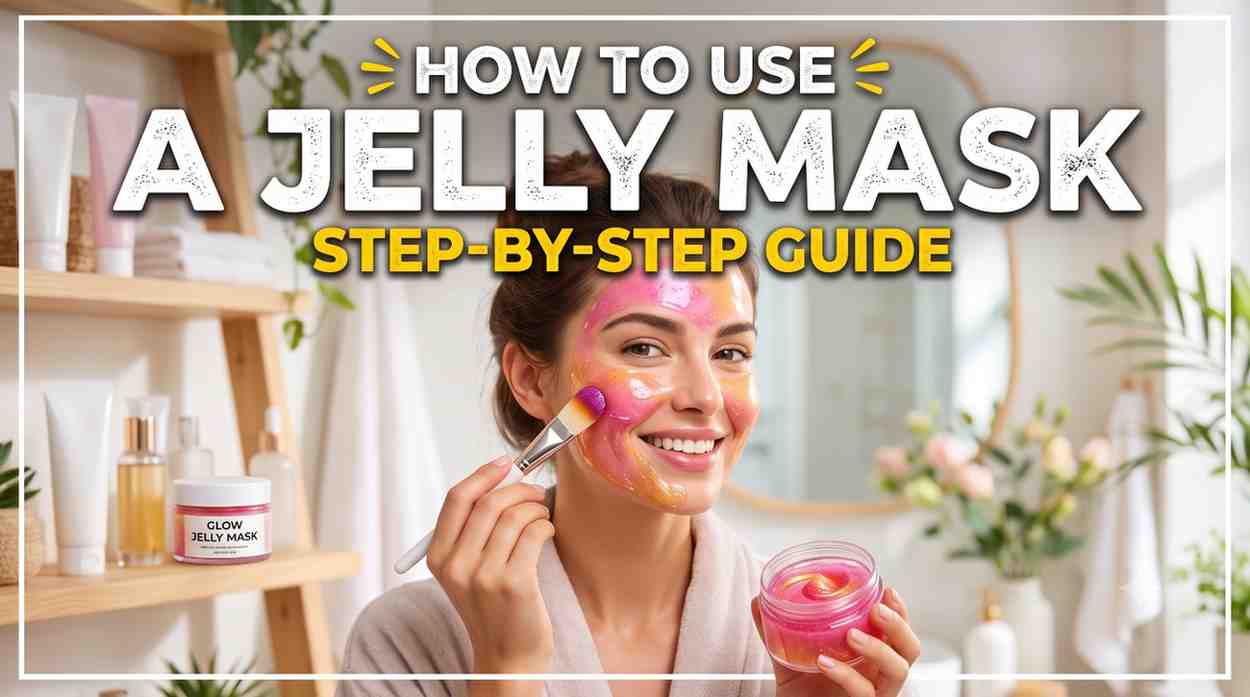
6. How to Use a Jelly Mask: Step-by-Step Guide
Getting the most from your jelly mask is simple — but a few technique tweaks make a significant difference.
- Step 1: Double Cleanse
Start with an oil cleanser to remove makeup and SPF, followed by a gentle water-based cleanser. Clean skin = maximum ingredient absorption. Never apply any mask over uncleaned skin. - Step 2: Tone (Optional but Recommended)
A hydrating toner or essence applied before your jelly mask primes the skin and creates an additional layer of hydration for the mask's actives to work through. - Step 3: Apply the Jelly Mask Generously
Use clean fingers or a mask brush. Apply an even, generous layer — don't skimp. Avoid the eye area and nostrils. For a hydrojelly mask kit, mix according to instructions until the consistency is smooth and spreadable. - Step 4: Leave It On for 15–30 Minutes
Most jelly masks are leave-on formulas. Some can be used as sleeping masks (left on overnight). Check your specific product's instructions. While you wait, lie down and relax — the cooling gel is half the experience. - Step 5: Remove or Pat In
For wash-off formulas: rinse with lukewarm water and pat dry. For peel-off versions: lift from the edges and peel gently. For sleeping masks: simply rinse in the morning. - Step 6: Follow with Moisturiser and SPF (AM)
Lock in all that hydration with your regular moisturiser. In the morning, always finish with SPF 30+ to protect freshly treated, sensitised skin.
Pro Tip: Store your jelly mask in the refrigerator. The cold amplifies the de-puffing, soothing effect significantly — especially valuable for morning use or post-sun skin.
7. Jelly Mask vs. Other Face Masks: A Clear Comparison
How does a jelly mask stack up against other mask types you might already own?
Jelly Mask vs. Clay Mask
Clay masks (kaolin, bentonite) are designed to absorb excess oil and unclog pores. They work beautifully for congested, oily skin — but can be too stripping for dry or sensitive types. A jelly mask does the opposite: it adds, rather than removes. Many skincare routines benefit from alternating between both depending on skin's current needs.
Jelly Mask vs. Sheet Mask
Sheet masks deliver ingredients via a soaked cotton or hydrogel sheet. They're single-use, convenient, and effective — but typically thinner and less occlusive than a jelly. A hydrating mask in jelly form generally delivers deeper, longer-lasting hydration than a sheet mask, making it the better choice for genuinely dehydrated skin.
Jelly Mask vs. Overnight Cream
An overnight cream is formulated for 7–8 hours of continuous contact. A sleeping jelly mask serves a similar purpose but is typically lighter in texture and packed with more concentrated active ingredients. If you have oily skin, a jelly sleeping mask often feels more comfortable than a thick overnight cream.
Jelly Mask vs. Peel-Off Mask
Traditional peel-off masks (often charcoal-based) focus on surface-level extraction. They can be harsh. A peel off mask in jelly format is far gentler — it focuses on hydration and glow while still delivering the satisfying removal ritual.
8. Who Should Use a Jelly Mask (And Who Should Skip It)?
Ideal Candidates
- Dry and dehydrated skin types — the primary target audience. If your skin feels tight, looks dull, or shows fine lines of dehydration, a jelly mask should be a cornerstone of your routine.
- Sensitive skin — most jelly masks are fragrance-free and gentle. Look for formulas with centella asiatica, aloe, and ceramides.
- Oily skin — surprisingly, oily skin is often dehydrated. An oil-free jelly formula balances hydration without adding heaviness.
- Mature skin — hydration is the foundation of anti-aging. The plumping effect of a jelly mask makes it highly effective for reducing visible signs of aging.
- K-beauty enthusiasts — the Korean face mask culture celebrates exactly this kind of layered, hydration-forward treatment.
- Pre-event beauty prep — a glow mask applied 30 minutes before an event can visibly transform your skin's luminosity.
Who Might Want to Be Cautious
- Those with active, pustular acne should patch-test first — certain jelly formulas may be too occlusive and could exacerbate breakouts.
- People with known allergies to algae or marine ingredients should avoid algae mask formulations.
- Very oily skin types should look for "non-comedogenic" on the label.
9. Top Jelly Mask Picks for Every Skin Type
(Note: These recommendations are based on ingredient quality, formulation science, and user experience data — not sponsored content.)
For Dry & Dehydrated Skin
Look for formulas anchored by hyaluronic acid at multiple molecular weights, glycerin, and ceramides. The combination of high and low molecular weight HA means you get surface-level plumping AND deeper layer hydration.
For Oily & Combination Skin
A niacinamide mask in jelly form is your best friend. Seek out oil-free, non-comedogenic formulas with niacinamide (5–10%), zinc, and willow bark extract. These balance sebum without stripping.
For Brightening & Glow
A glow mask with vitamin C (ascorbic acid or ethyl ascorbic acid), galactomyces ferment filtrate, and pearl extract delivers visible luminosity. For best results, use 2–3 times weekly over 4–6 weeks.
For Sensitive & Reactive Skin
A minimal-ingredient face gel mask with centella asiatica (also called Cica), panthenol, and oat extract. Avoid all synthetic fragrances and essential oils, which are common sensitisers.
For Mature & Aging Skin
An algae mask with peptides, marine collagen, and antioxidant-rich algae extract addresses multiple aging concerns at once: loss of firmness, dehydration, and oxidative damage.
For the Full Professional Experience at Home
A hydrojelly mask kit — the mix-it-yourself rubber mask format — gives you the closest thing to a professional facial treatment at home. These typically include multiple sachets targeting different skin concerns (brightening, anti-aging, calming).
10. Common Mistakes to Avoid When Using a Jelly Mask
Even the best jelly mask won't deliver if you use it wrong. Here are the most common pitfalls:
- Applying to dirty skin. This is non-negotiable. Makeup, SPF residue, and daily pollution create a barrier that prevents any mask ingredient from reaching your skin. Always cleanse first.
- Using too little product. A jelly mask needs to sit as an actual layer on the skin — not a thin smear. Use enough that your skin is fully covered and the mask doesn't dry out too quickly.
- Leaving it on too long (or not long enough). Follow product-specific instructions. More time doesn't always mean better results — some formulas can start to draw moisture back out of skin if left past their recommended time.
- Skipping follow-up moisturiser. A jelly mask opens your skin up for hydration. Don't let that window close without sealing in the work with a moisturiser appropriate for your skin type.
- Using it on sensitised, freshly exfoliated skin without patch-testing. If you've just used a chemical exfoliant (AHA/BHA), give your skin 24 hours before applying an active-rich facial mask. Stacking actives without care can lead to irritation.
- Storing it incorrectly. Jelly masks are best kept cool and away from direct sunlight. Refrigerating your mask isn't just a luxury — it preserves the efficacy of heat-sensitive ingredients like vitamin C.
11. FAQ: People Also Ask About Jelly Masks
What does a jelly mask do for your skin?
A jelly mask delivers intense hydration, active skincare ingredients, and a cooling, soothing sensation to the skin. The gel texture creates a semi-occlusive layer that traps moisture and allows ingredients like hyaluronic acid, niacinamide, and botanical extracts to penetrate deeper into the skin's surface. Regular use improves skin texture, brightness, and overall hydration levels.
How long do you leave a jelly mask on?
Most jelly masks should be left on for 15 to 30 minutes. Sleeping jelly masks are formulated for overnight use and should be applied as the last step of a PM skincare routine, then rinsed off in the morning. Always check your specific product's instructions, as formulas vary.
Can I use a jelly mask every day?
Most jelly masks are gentle enough for daily use, but 2–3 times per week is the standard recommendation for most skin types. Sleeping masks can be used nightly if the formula suits your skin. If your jelly mask contains active ingredients like vitamin C or niacinamide, start with once or twice weekly to assess tolerance.
Is a jelly mask good for oily skin?
Yes — oily skin is often dehydrated, which triggers the skin to produce even more oil as a compensatory response. A lightweight, oil-free jelly mask with niacinamide and hyaluronic acid can balance hydration, regulate sebum production, and reduce the appearance of pores over time. Choose non-comedogenic formulas.
What is a hydrojelly mask?
A hydrojelly mask is a professional-grade rubber mask that is mixed from a powder and liquid base and sets into a firm, peel-off gel. Originally used in facials, at-home kits are now widely available. It forms a seal over the skin, intensifying the delivery of serums and active ingredients applied underneath. The peel-off removal is satisfying and leaves skin noticeably smooth and radiant.
What's the difference between a jelly mask and a sheet mask?
A sheet mask is a single-use sheet soaked in serum that sits against the skin for 15–20 minutes. A jelly mask is a gel formula applied directly to the skin and is often more concentrated and occlusive. Jelly masks typically deliver longer-lasting hydration and are more customisable in terms of thickness and layering. They also tend to be more cost-effective over time.
Are jelly masks good for sensitive skin?
Many jelly masks are formulated specifically for sensitive skin and can be excellent choices. Look for fragrance-free, hypoallergenic formulas with calming ingredients like centella asiatica, aloe vera, oat extract, and panthenol. Avoid formulas with essential oils, synthetic fragrance, and high concentrations of acids if your skin is reactive. Always patch-test a new product before full-face application.
What ingredients should I look for in a jelly mask?
The most effective jelly masks include one or more of the following: hyaluronic acid (at multiple molecular weights), glycerin, niacinamide, aloe vera, centella asiatica, marine algae extract, ceramides, vitamin C, and peptides. The right combination depends on your skin concern — hydration, brightening, anti-aging, or calming.
Can I make a jelly mask at home?
Yes, DIY versions exist using natural gelling agents like agar agar or carrageenan (derived from seaweed) combined with aloe vera gel, hyaluronic acid powder, and any botanical extracts you choose. However, professional formulas maintain precise pH levels and use preservation systems that DIY versions typically lack, meaning store-bought products are more stable and consistently effective.
What is a Korean jelly mask?
A Korean face mask jelly format is a hydration-first treatment rooted in the K-beauty philosophy of achieving chok-chok (bouncy, dewy) skin. Korean beauty brands pioneered the sleeping mask gel format and popularised the use of ingredients like snail mucin, galactomyces, and fermented extracts in jelly formulas. These masks prioritise long-term skin health and luminosity over quick fixes.
12. Final Thoughts + Next Steps
If there's one thing skincare science agrees on, it's this: well-hydrated skin is the foundation of virtually every other skincare goal — from managing acne to reducing fine lines to achieving that glass-skin glow. A jelly mask isn't magic. But it is one of the most effective, low-effort, high-reward ways to significantly boost your skin's hydration levels, deliver actives in a way that standard moisturisers can't, and genuinely enjoy your skincare routine in the process. Whether you're drawn to the professional experience of a hydrojelly mask kit, the targeted power of a niacinamide mask, the marine richness of an algae mask, or simply want a cooling hydrating mask to use twice a week — there's a jelly mask that was made for your skin.
Start with your skin type. Choose ingredients that match your concern. Use it consistently. And don't skip the refrigerator step.
Your skin will thank you in ways your mirror will actually show.